


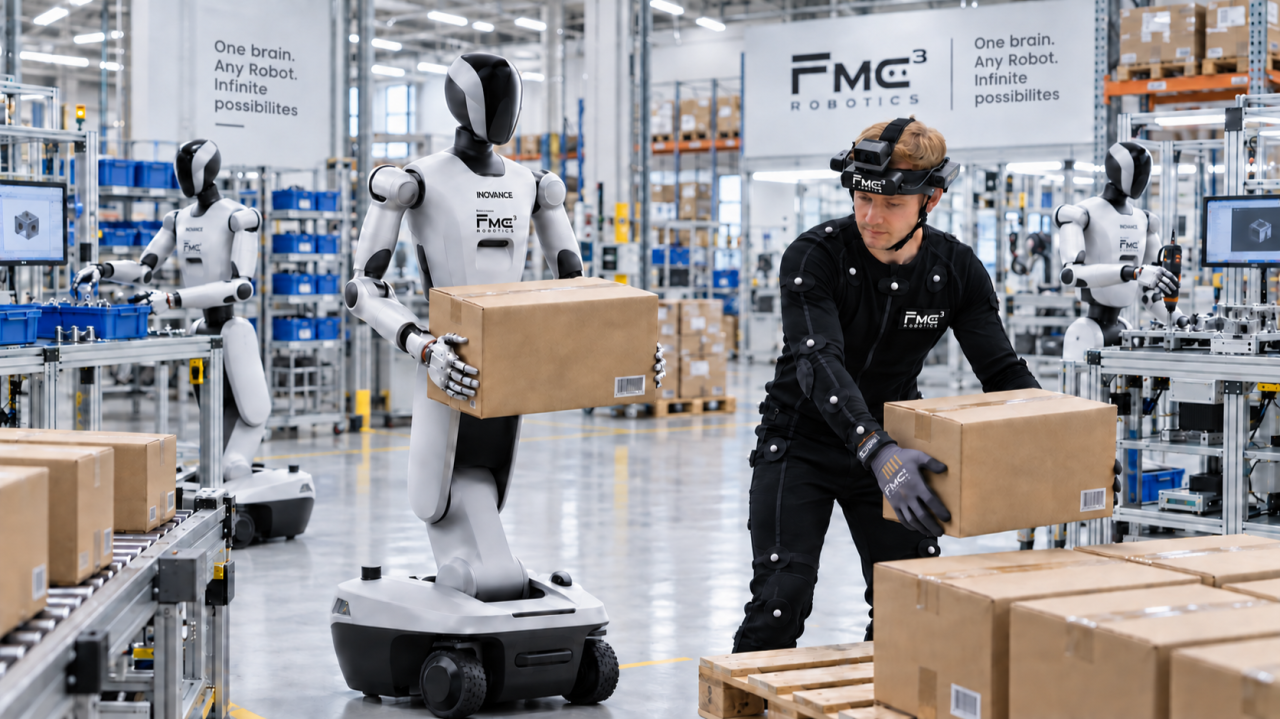
At the Humanoid Robots Summit Europe 2026 in Stuttgart, one question repeatedly surfaced: what will it take for humanoid robots to move beyond impressive demonstrations and create measurable value in real factories?
The discussions did not produce a single industry-wide answer. However, they revealed a clear shift in focus—from what a robot looks like to the value it can create in a specific production task.
Start with the task
VDMA brought the discussion back to industrial reality: the robot’s form should follow the task—not the other way around. Humanoids, mobile manipulators and conventional automation will coexist because different production environments require different solutions.
The real question is therefore not whether factories need humanoid robots, but which tasks are worth automating and what is required to make deployment work.
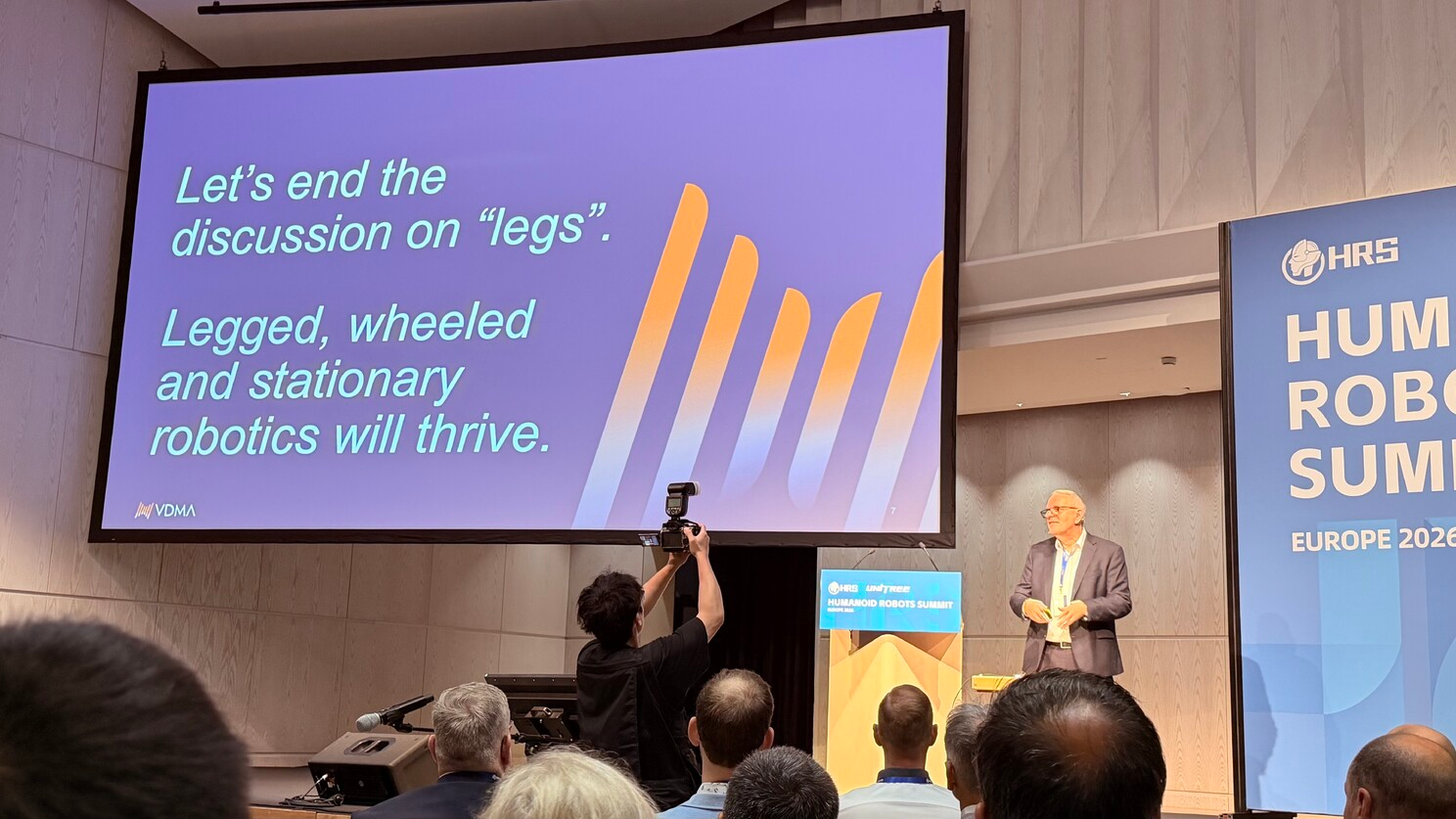
VDMA: Robot form should follow the requirements of the specific task.
From a suitable use case to industrial deployment
Once a suitable use case has been identified, the harder work begins: building the data and learning loop that allows the robot to operate and continuously improve in a real production environment.
Robots need to learn from actual work processes—not only from simulations or controlled demonstrations. This requires relevant production data to be collected, synchronized, processed and prepared for model training.
The trained capabilities must then be deployed and validated in the factory. Operational feedback can be used to improve the model and adapt the robot more precisely to the task and production environment.
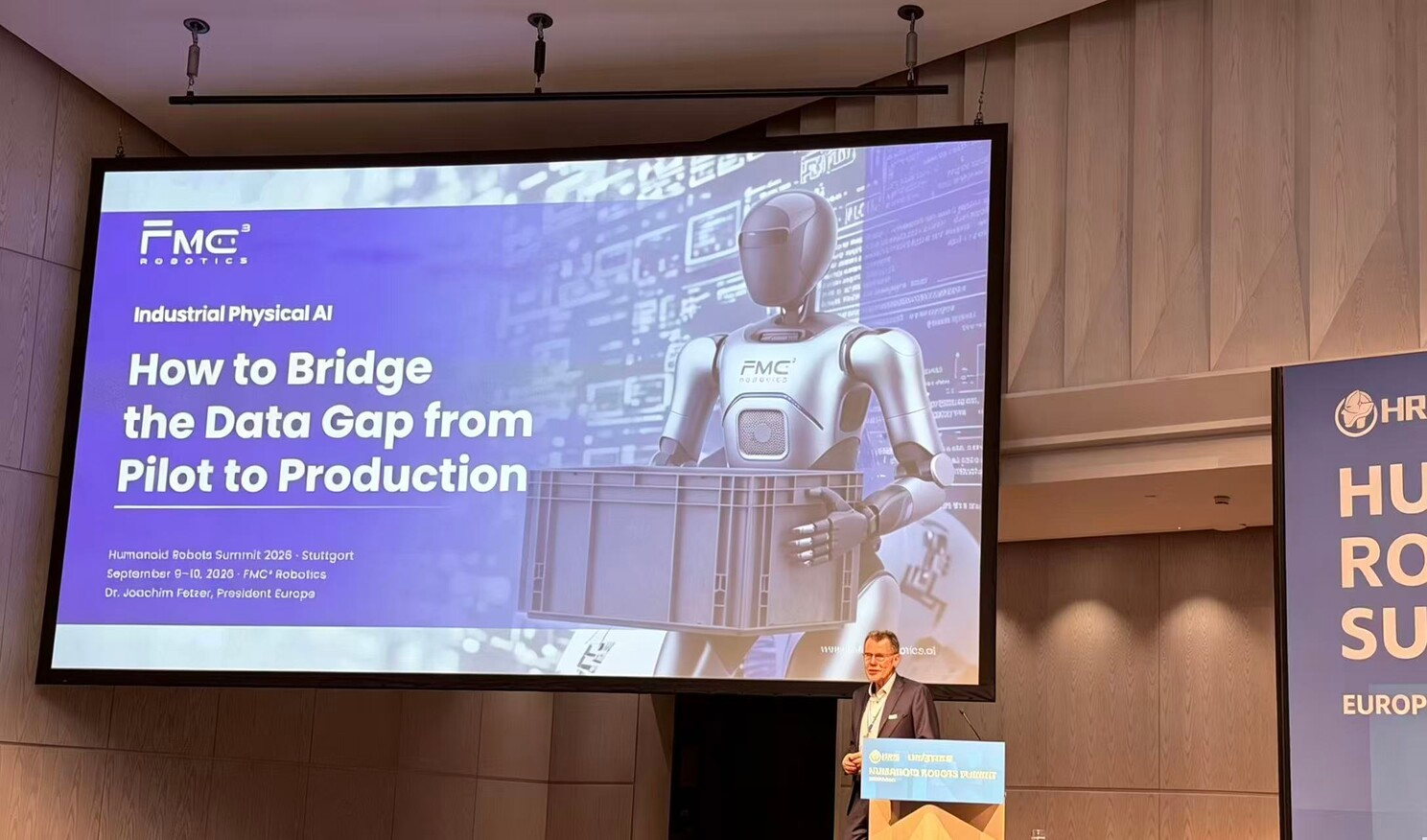
Dr. Joachim Fetzer, President of FMC³ Robotics Europe, delivered a keynote speech at the summit.
The challenge is not limited to robot hardware or AI models. It also involves data infrastructure, compliance, production engineering, system integration and close cooperation with manufacturers.
No single company can build this foundation alone.
Building the industrial data ecosystem together
In October, FMC³ Robotics will participate in the Humanoid Robotics Deep Dive in Hanover and contribute to the discussion as part of the Data JV initiative.
About the MOU of the Data JV:
https://www.linkedin.com/pulse/vector-pem-motion-fmc-robotics-plan-german-joint-venture-wbtde/
We look forward to exchanging perspectives with manufacturers that are evaluating robotics applications, have relevant production use cases or want to understand how their production knowledge and data could support—and benefit from—the development of Industrial Physical AI.
The future of industrial robotics will not be decided by the most impressive demonstration. It will be decided by what can operate reliably, learn continuously and create measurable value on the factory floor.